
Quick Answer: What Are the Best Brain Foods for Kids?
Some practical brain foods for kids include avocado, blueberries, walnuts, salmon and eggs. These foods provide nutrients such as healthy fats, omega-3 fatty acids, antioxidants, choline and protein, which play important roles in the body and brain.
A varied diet helps children get a range of nutrients as they grow and learn. These five foods are easy to include in family meals, breakfasts and school-day snacks.
What Makes a Food Brain-Friendly for Children?
The brain and nervous system rely on a range of nutrients to develop and function. Healthy fats are part of cell membranes, omega-3 fatty acids are important structural fats, and choline is used to make acetylcholine, a neurotransmitter involved in memory and other nervous-system functions.
That is why a varied eating pattern matters. Rather than relying on one “superfood”, parents can offer different foods that contribute a range of nutrients.
Here are five practical options, along with what they contain and easy ways to serve them.
5 Brain Foods for Kids at a Glance
Food | What it contributes | Easy child-friendly option | What research tells us |
Avocado | Monounsaturated fat, fibre and carotenoids | Guacamole, toast or a blended frozen snack | Provides nutrients that form part of a varied, balanced diet |
Blueberries | Anthocyanin-rich flavonoids | Frozen berries, pancakes or a smoothie | A small study in children observed improved delayed word recall after a blueberry drink |
Walnuts | ALA omega-3 and unsaturated fats | Ground into cereal, baking or bliss balls | A plant-based source of ALA omega-3 |
Salmon | EPA/DHA omega-3 and protein | Salmon bites, sushi-style roll or mixed into pasta | Fish provides the long-chain omega-3 fats EPA and DHA |
Eggs | Protein and choline | Scrambled, boiled or in an egg sandwich | Choline is used by the body to produce acetylcholine |
Five Brain Foods to Try This Week
1. Avocado: Healthy Fats for Growing Kids
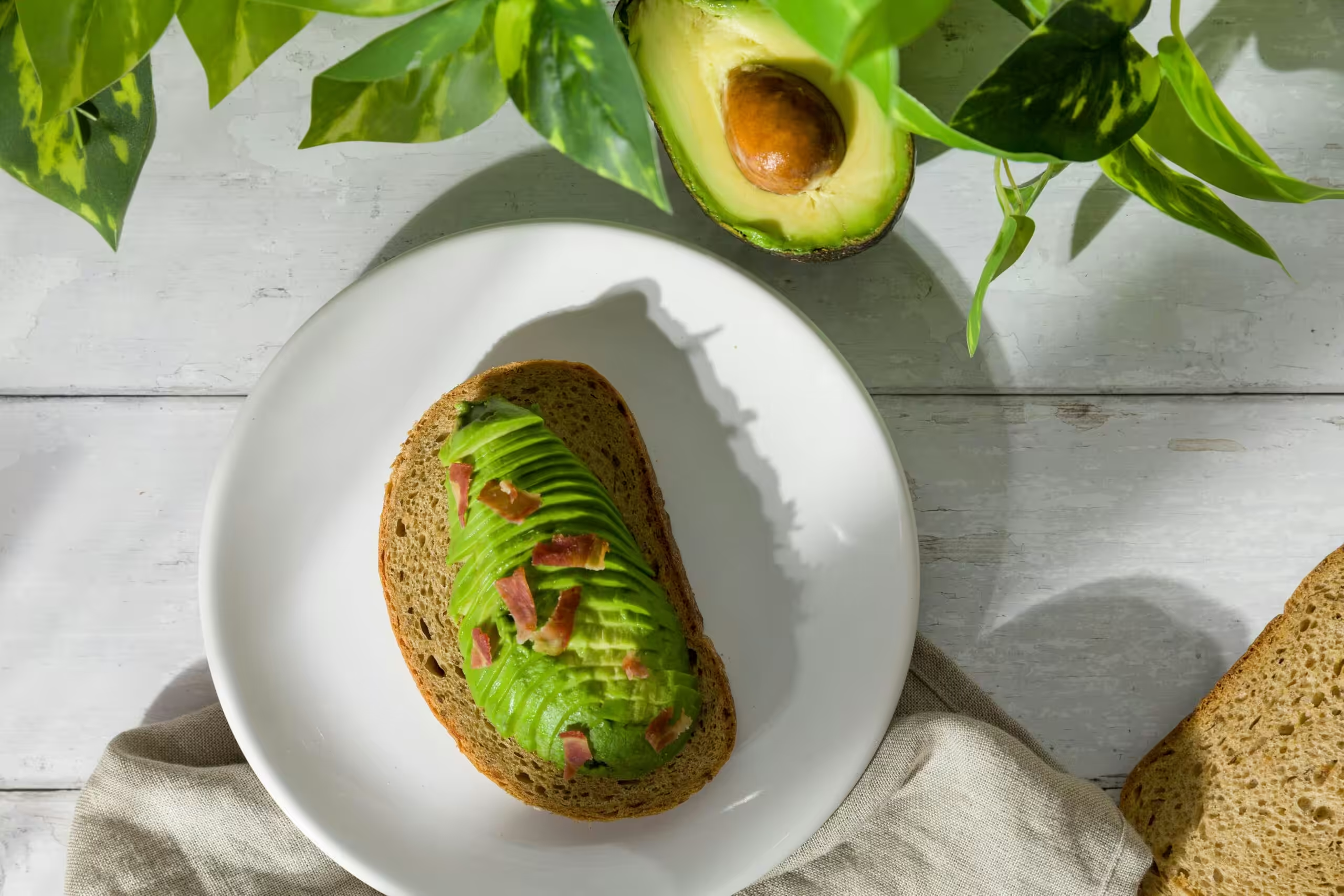
Avocado is an easy way to add monounsaturated fat, fibre and carotenoids to a child’s diet. Healthy fats are part of cell membranes, including those found throughout the nervous system.
Avocado is also versatile, making it simple to include in everyday meals.
Easy ways to serve avocado:
- Mash it into guacamole and serve with wholegrain crackers.
- Spread it on wholemeal toast.
- Add it to a sandwich or wrap.
- Blend it into a creamy frozen snack.
2. Blueberries: Antioxidant-Rich Brain Food for Children
2. Blueberries: The Memory Boosters
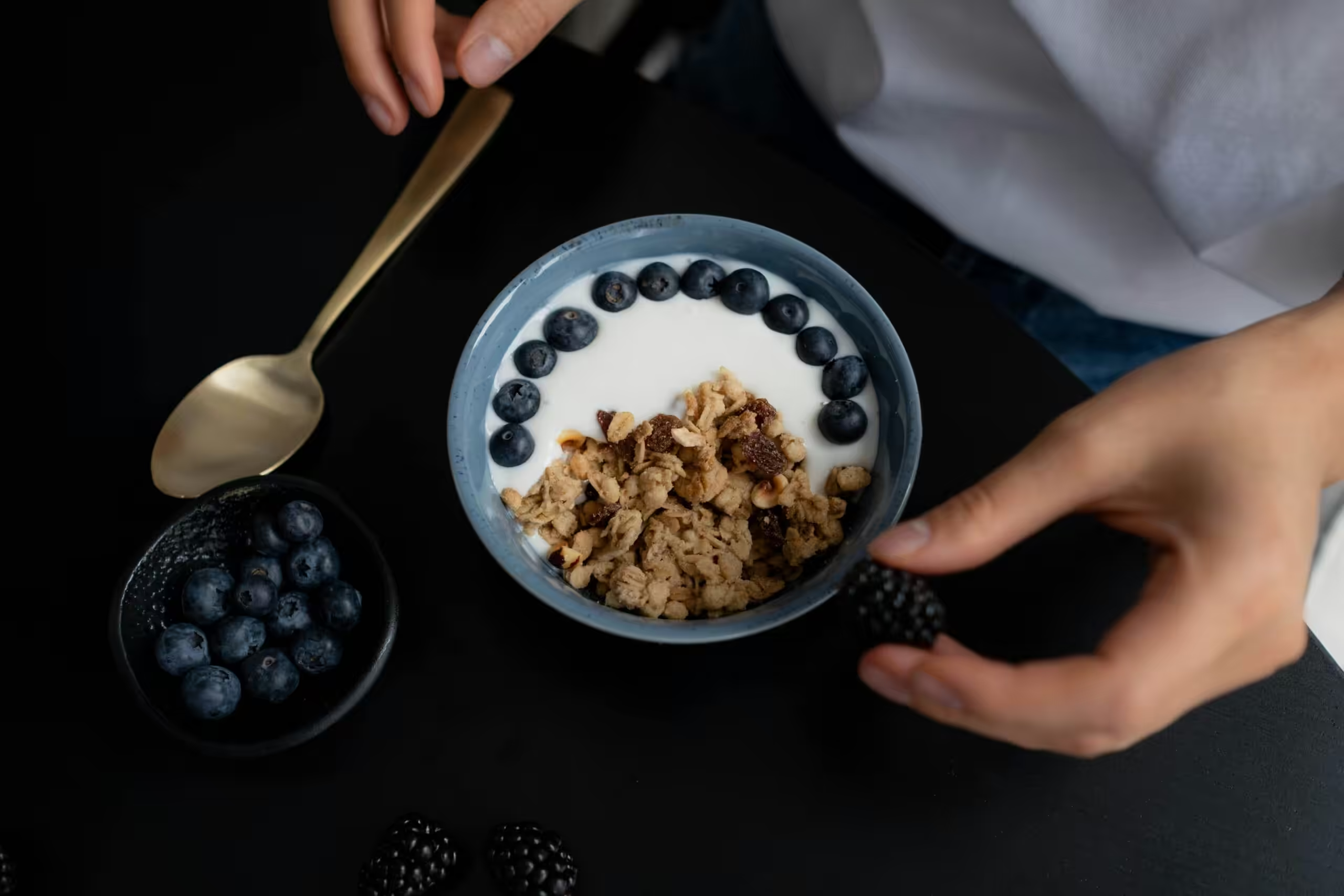
Blueberries contain anthocyanins, a group of plant pigments known for their antioxidant activity. They are a colourful way to add fruit to a child’s breakfast or snack.
Research has also explored how flavonoid-rich blueberries may relate to children’s memory. In a 2015 crossover study, 14 children aged 8–10 completed memory and cognitive tests after consuming a blueberry drink. Researchers observed improved delayed recall of a previously learned word list following the drink.
This is an interesting finding in the study of children’s nutrition and memory. Blueberries are also easy to serve in everyday family meals.
Easy ways to serve blueberries:
- Add fresh or frozen blueberries to yoghurt.
- Mix them into pancakes or porridge.
- Blend them into a smoothie.
- Serve a small bowl as an after-school snack.
3. Walnuts: A Plant-Based Source of Omega-3
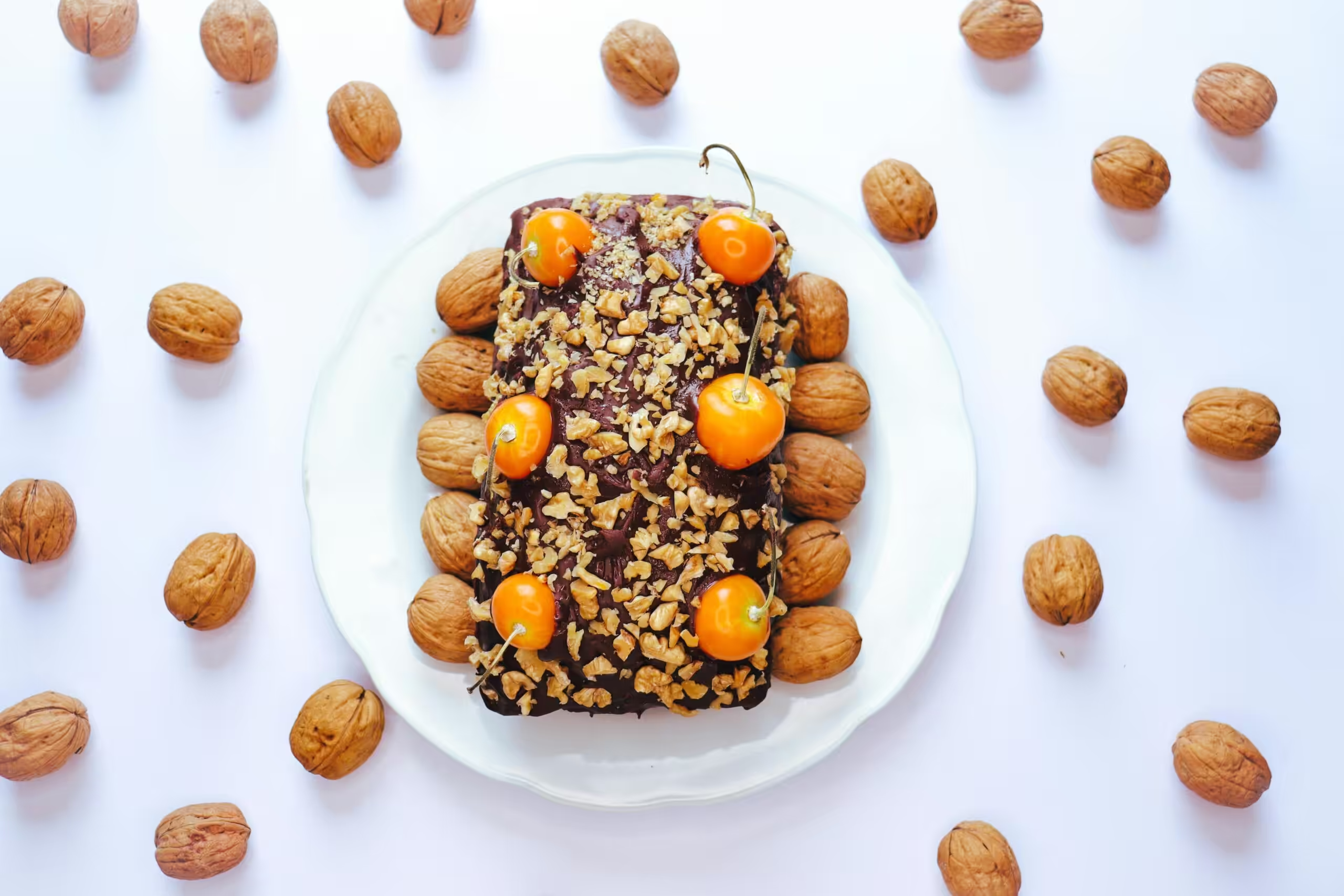
Walnuts provide alpha-linolenic acid (ALA), a plant-based omega-3 fatty acid, along with other unsaturated fats.
Omega-3 fatty acids are important components of the body’s cell membranes. Walnuts are a convenient option for families who want to include plant-based sources of healthy fats in meals and snacks.
It is useful to know that walnuts provide ALA, while oily fish such as salmon provide the long-chain omega-3 fats EPA and DHA.
Easy ways to serve walnuts:
- Finely grind them and mix into cereal or porridge.
- Add ground walnuts to baking.
- Mix them into bliss balls.
- Sprinkle a small amount of finely chopped walnuts over a family breakfast.
For younger children, use ground walnuts rather than whole nuts. Always check your school’s allergy policy before including nuts in lunchboxes.
4. Salmon: Omega-3 Foods for Kids
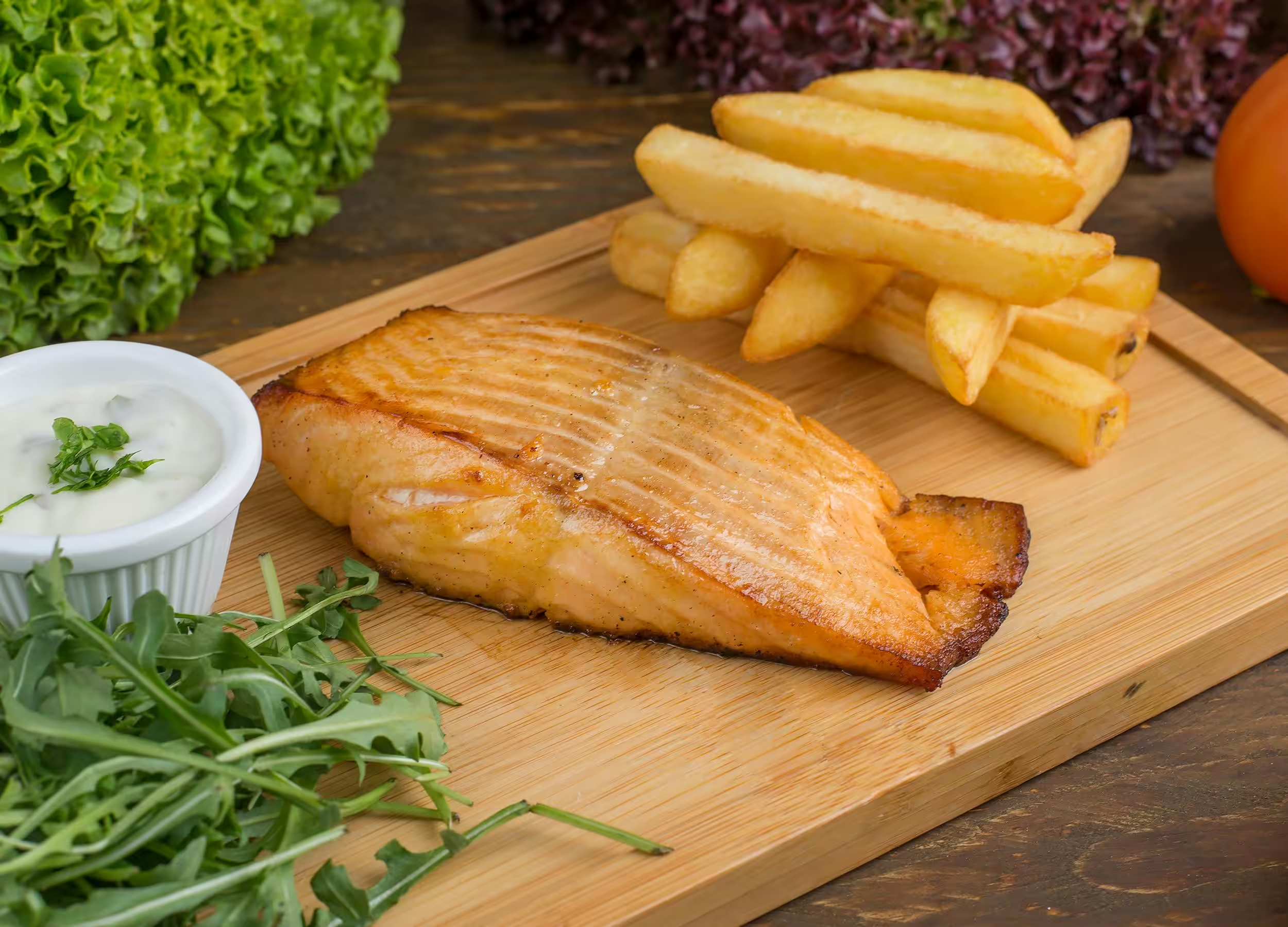
Salmon provides the long-chain omega-3 fatty acids EPA and DHA, as well as protein. These fats are important components of the body, including the brain and nervous system.
A systematic review by Sherzai and colleagues examined 88 studies on omega-3 fatty acid consumption and cognitive outcomes during neurodevelopment. The review reported mixed findings overall, with some short-term benefits observed in areas such as visual attention, working memory, executive function and communication.
For families, salmon is one practical way to include EPA and DHA in meals. It can be served in familiar, child-friendly formats.
Easy ways to serve salmon:
- Make small salmon bites.
- Flake cooked salmon through pasta.
- Add salmon to a sushi-style roll.
- Serve it with rice and vegetables.
5. Eggs: A Convenient Source of Choline

Eggs provide protein and choline. Choline is an essential nutrient used to make phospholipids, which are important components of cell membranes. It is also needed to produce acetylcholine, a neurotransmitter involved in memory, mood, muscle control and other nervous-system functions.
Eggs are easy to prepare and can fit into many family meals.
Easy ways to serve eggs:
- Scramble them for breakfast.
- Serve a boiled egg as part of a meal.
- Make an egg sandwich.
- Add cooked egg to a wrap or rice bowl.
For parents looking for simple foods for kids to focus on during busy school days, eggs are a versatile option that can be prepared in different ways.
Healthy School Snacks in NZ: Simple Ideas for the Week
Brain-friendly foods do not need to be complicated or expensive. A few simple combinations can help add variety to breakfasts, lunchboxes and after-school snacks.
Snack idea | Foods included |
Blueberry yoghurt bowl | Blueberries and yoghurt |
Avocado toast | Avocado and wholemeal toast |
Egg sandwich | Egg and wholegrain bread |
Salmon pasta | Salmon, pasta and vegetables |
Berry smoothie | Blueberries, milk or yoghurt, and fruit |
Walnut porridge | Porridge with finely ground walnuts, where permitted |
Choose options that suit your child’s age, preferences and school food policies. For younger children, prepare foods in age-appropriate sizes and textures.
Brain Foods Are One Part of Supporting Learning
Food is one part of a child’s everyday routine. Regular meals, enough sleep, movement, supportive relationships and opportunities to practise new skills all contribute to a child’s learning environment.
Children build skills such as attention, working memory and problem-solving through everyday experiences and structured practice.
For practical pre-study movement ideas, read our guide to brain gym exercises for kids.
Key Takeaways
- Brain foods for kids include a variety of nutrient-rich foods such as avocado, blueberries, walnuts, salmon and eggs.
- Blueberries contain anthocyanin-rich flavonoids, and a small child study observed improved delayed word recall after a blueberry drink.
- Walnuts provide ALA omega-3, while salmon provides EPA and DHA.
- Eggs are a practical source of choline, which the body uses to produce acetylcholine.
- Simple meals and snacks can help families include a wider range of nutrients throughout the week.
- Food is one part of supporting children’s learning, alongside sleep, movement and opportunities to practise new skills.
Frequently Asked Questions
What are the best brain foods for kids?
Some practical brain foods for kids include avocado, blueberries, walnuts, salmon and eggs. They provide nutrients such as healthy fats, omega-3 fatty acids, antioxidants, protein and choline, which play important roles in the body and nervous system.
What foods can help kids focus?
A varied diet can provide nutrients needed for normal brain and nervous-system function. Foods such as salmon, eggs, berries, avocado and walnuts can be included in balanced meals and snacks. Children’s concentration is also shaped by sleep, movement, stress, their learning environment and practice.
Do walnuts contain omega-3?
Yes. Walnuts provide alpha-linolenic acid (ALA), a plant-based omega-3 fatty acid. Oily fish such as salmon provide the long-chain omega-3 fats EPA and DHA.
Why are blueberries considered brain food for children?
Blueberries contain anthocyanins, a type of flavonoid. A small 2015 crossover study in children aged 8–10 observed improved delayed word recall after a flavonoid-rich blueberry drink. Blueberries are also a convenient way to add fruit to breakfasts and snacks.
Why is choline important for children?
Choline is an essential nutrient used in cell membranes and to produce acetylcholine, a neurotransmitter involved in memory and other nervous-system functions. Eggs are one common dietary source of choline.
What are some healthy school snacks in NZ?
Simple options include blueberry yoghurt, avocado toast, an egg sandwich, fruit, and salmon or egg in a wrap. For lunchboxes, choose foods that suit your child’s age and follow your school’s allergy and food policies.
Can food alone improve concentration?
Food can provide nutrients that support normal brain and nervous-system function. Concentration is also influenced by sleep, movement, stress, the learning environment and opportunities to practise skills.
How Multisensory Learning Supports Whole-Brain Development
Children learn in different ways. Concepts become easier to understand when children can see them, touch them and experience them, not just read or hear about them. This is where multisensory learning can play an important role in supporting whole-brain development.
SIP Abacus offers live, in-person and online classes for children aged 5–12, using a multisensory approach that supports whole-brain development. As children touch, move, see and hear while working with the abacus, they engage different areas of the brain and bring together skills associated with both hemispheres. The left hemisphere is more involved in language, logical and analytical processing, while the right hemisphere contributes to visual-spatial processing and aspects of creative thinking. Abacus learning combines numerical reasoning with visualization, helping children build concentration, memory, mental calculation and reasoning through hands-on learning.
SIP Abacus has helped over 5,000 Kiwi children build stronger math skills and develop learning skills that support other school subjects, including reading, writing and science. Parents have also noticed improvements in their children’s focus, memory and confidence.
Still Unsure? Try a FREE Trial Class!
A free SIP Abacus trial class is a great way to experience the program before enrolling. Your child gets to explore the abacus hands-on, while you discover how SIP Abacus supports learning and complements your child’s school curriculum.
At the end of your free SIP Abacus trial class, you’ll see what your child has achieved and notice a difference in their maths skills and focus, even during their very first abacus learning session!